
On this page
Key points
- Ala Khutah means “on his footsteps”. It follows the route the Prophet ﷺ and Abu Bakr (RA) took from Makkah to Madinah.
- The route starts near Ghar Thawr in Makkah and ends at Masjid Quba in Madinah.
- The journey has 11 main stations and 41 historical sites, each with its story and its link to the Hijrah.
- About 80% of the route is covered by 4x4 vehicle or luxury bus, and about 20% is a short walk on the old uphill path. You can also choose to walk.
- It is offered in Arabic, English, Urdu and French, and families with children can join.
- Booking is done directly with Ala Khutah through their website and app, once their packages are announced.
- It is a historical visit, not part of Umrah. It suits pilgrims who have a free day or extra days in Madinah.
What is Ala Khutah?
Every Muslim knows the story of the Hijrah: the Prophet ﷺ and Abu Bakr (RA) left Makkah in secret, hid in the cave of Thawr for three nights, and then travelled to Madinah through the desert, where the people of Quba and Madinah welcomed them with joy.
Ala Khutah is a project in Saudi Arabia that lets visitors follow that same path. Along the way there are stations with signs, stories and places to pray, so the journey you have read about in the seerah becomes something you can see and feel.
 Illustrative image
The main stops on the route
The route runs from south to north, from Makkah towards Madinah. These are the main stations, in the order the Prophet ﷺ passed them:
- 1
Step 1
Ghar Thawr, Makkah
The cave where the Prophet ﷺ and Abu Bakr (RA) hid for three nights before setting out.
- 2
Step 2
Asfal ‘Usfan
One of the first rest stops after leaving Makkah.
- 3
Step 3
The tents of Umm Ma‘bad
Where a kind woman of the desert welcomed the travellers, a story pilgrims love to hear.
- 4
Step 4
The Suraqah incident
Where Suraqah, who chased the Prophet ﷺ for a reward, was stopped and later became Muslim.
- 5
Step 5
Al-Juhfah
A well-known station on the old road between Makkah and Madinah.
- 6
Step 6
Wadi Liqf and Wadi Al-Qahah
Valleys along the way, with rock carvings and old wells nearby.
- 7
Step 7
Al-‘Arj and Wadi Reem
Rest stops where the route turns towards Madinah.
- 8
Step 8
Al-Jathjathah
The last station before Madinah.
- 9
Step 9
Quba, Madinah
The end of the journey, at the first mosque built in Islam.
The route in numbers
The organisers have marked many places along the way. In their own words, the route includes:
- 11main stations on the way
- 41historical sites with their stories
- 16places where the Prophet ﷺ prayed
- 12mountain passes he crossed
- 45stories from the journey
- 7places where he stopped for the night
- 78verses of the Qur’an linked to the Hijrah
How you can do it
In the past, reaching a place like the Cave of Thawr meant a long climb on foot. With Ala Khutah, about 80% of the route is covered by 4x4 vehicle or luxury bus, and only about 20% is a short walk on the old uphill path, so the journey is open to more people, including families.
These are the ways you can take part:
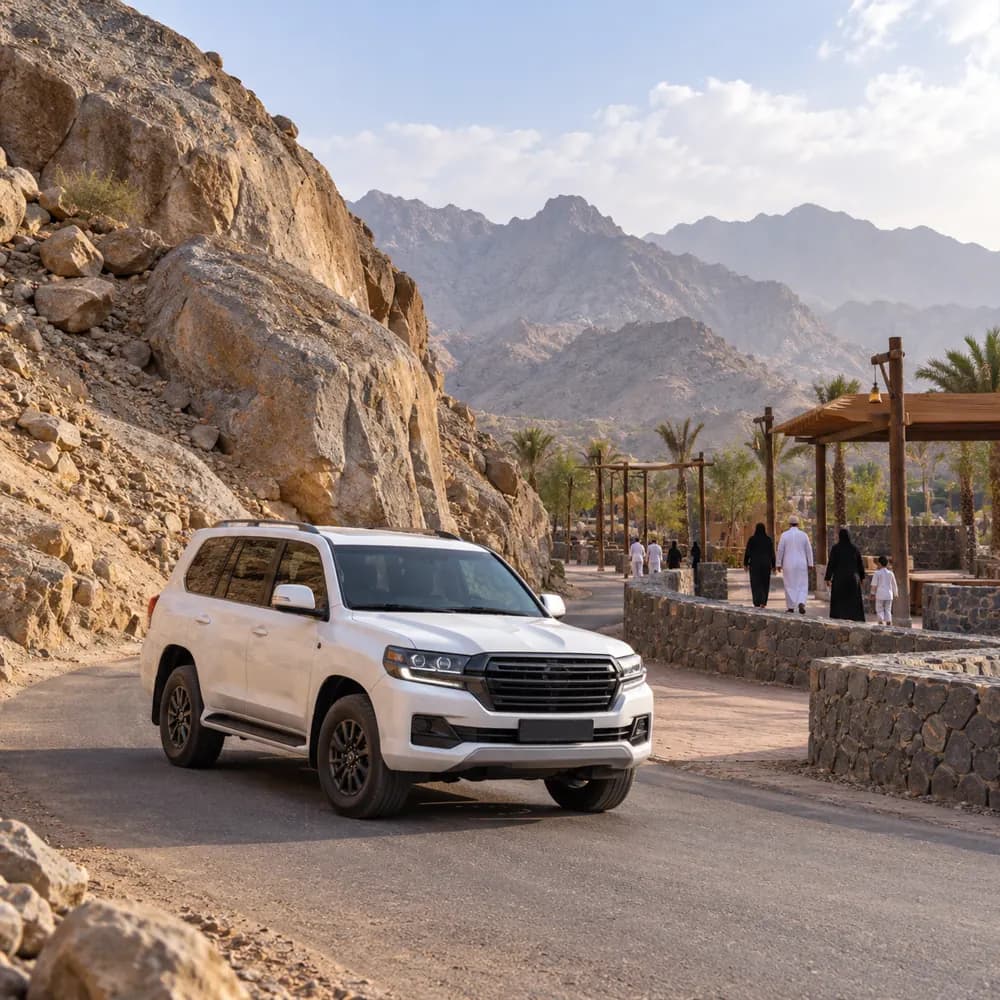
By 4x4 vehicle
Illustrative imageMost of the route is covered by 4x4, with short walks at the stations.
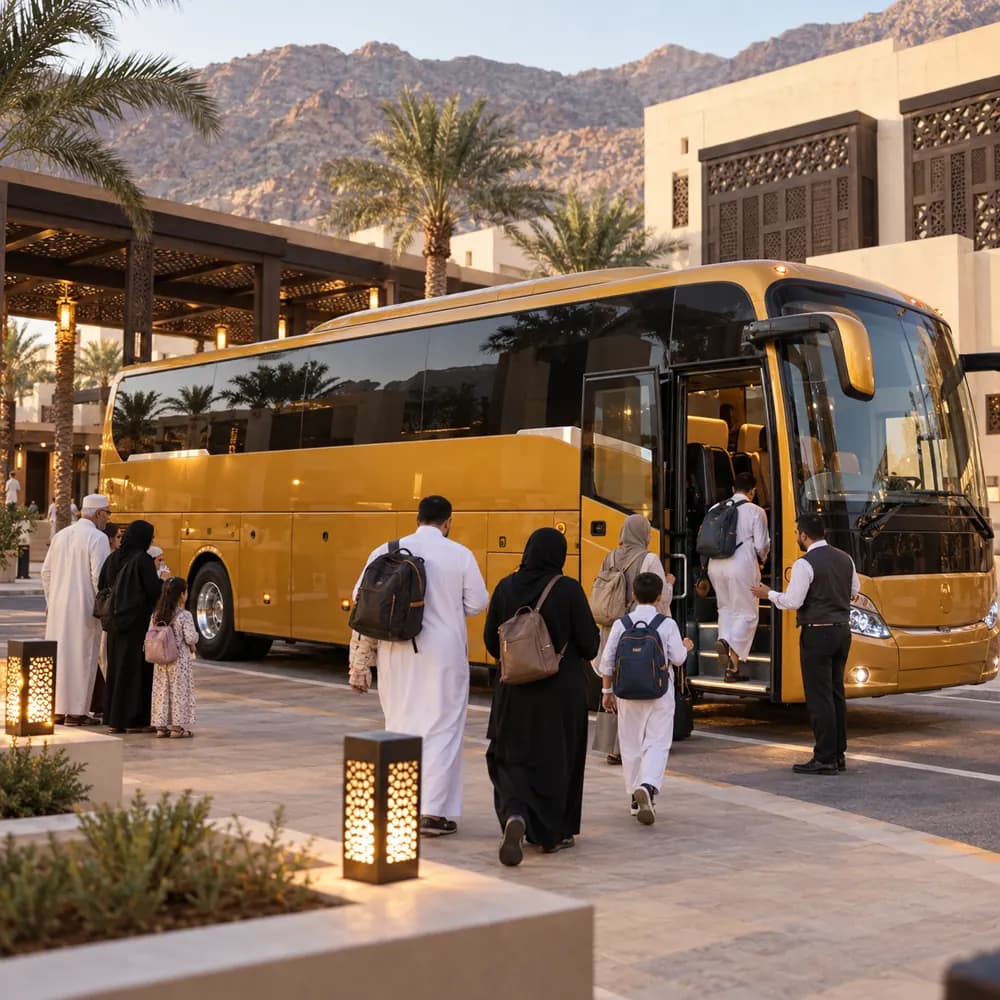
By luxury bus
Illustrative imageComfortable for families and groups travelling together.
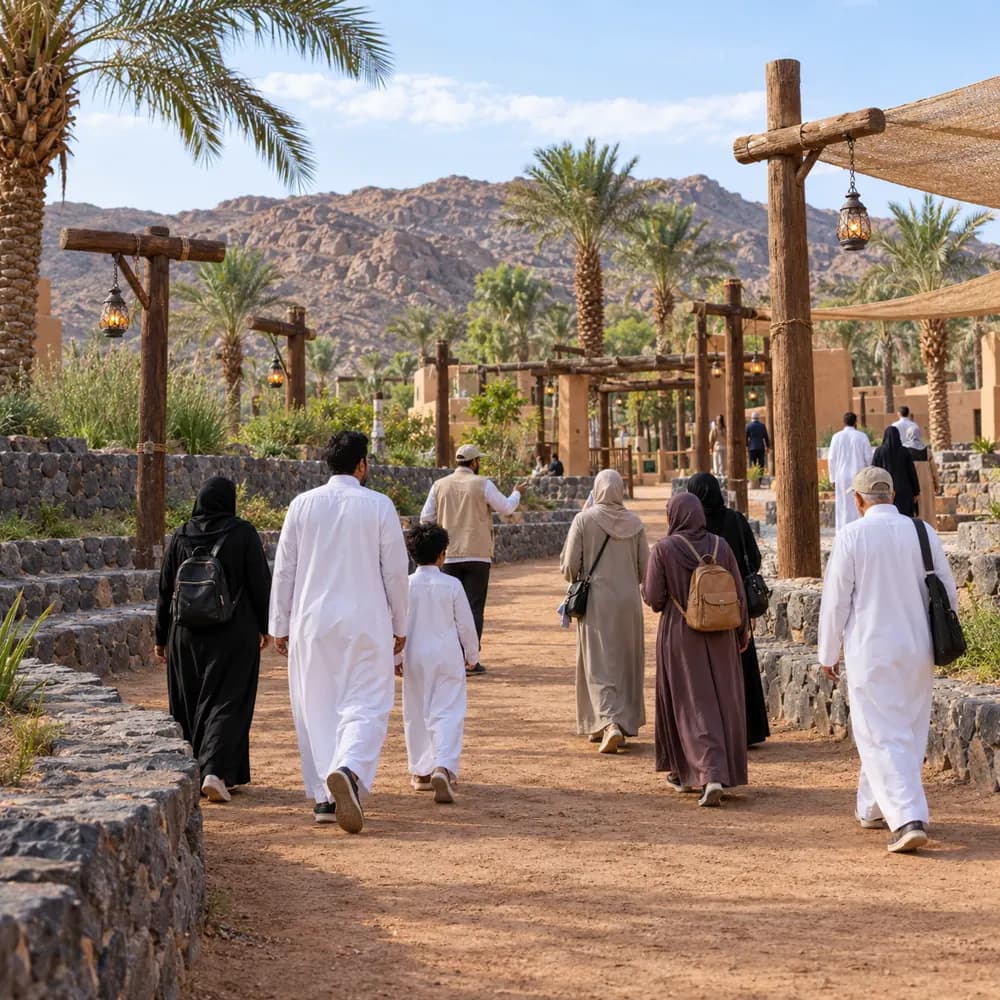
On foot
Illustrative imageFor those who want to walk sections of the route themselves.
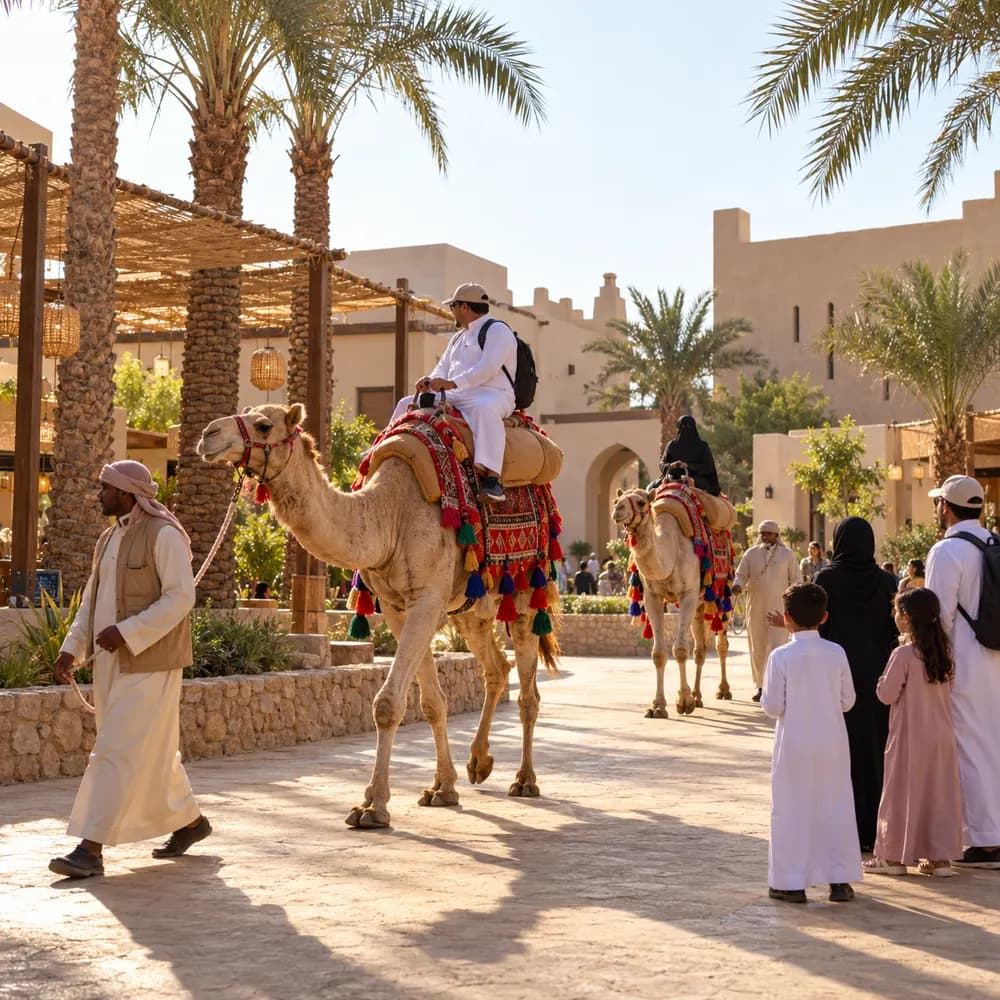
Camel and horse rides
Illustrative imageAt some stations, to feel how people once travelled.
Timings, prices and which sections are open can change. Check the latest details in the Ala Khutah app before you plan your day.
What you see and feel on the way
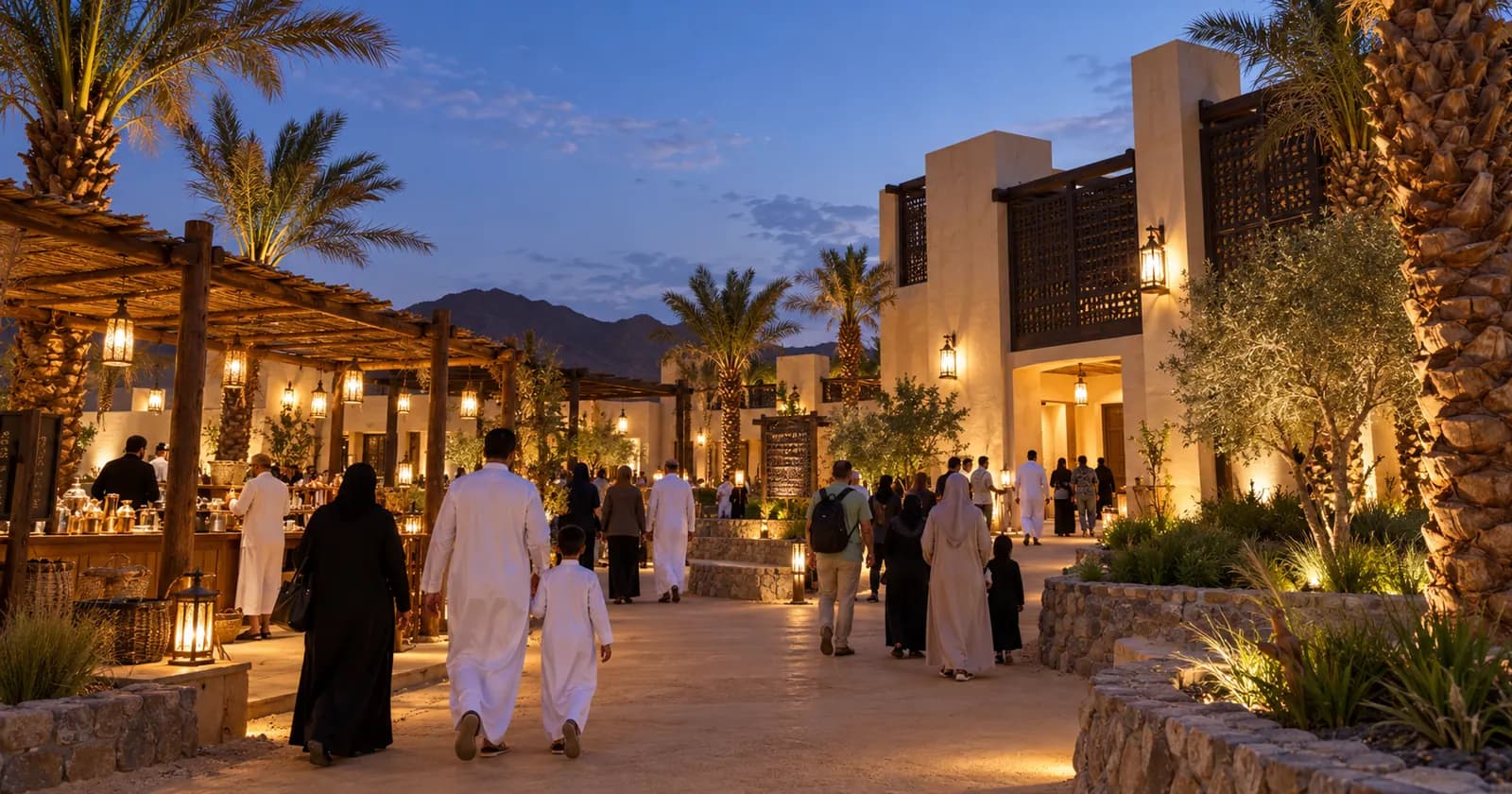
Ala Khutah is not only about seeing places. At each station you are told the history of the place and its link to the Hijrah, so the journey becomes something you understand and feel.
- Live performances at the stations, in the clothing of that time, so you can picture the setting
- Stories told along the way about the Prophet’s ﷺ migration
- Virtual reality and large screens that show the Hijrah journey
- Star gazing in the desert at night
- Guidance in Arabic, English, Urdu and French
 Illustrative image
For children, it is a practical lesson: they can say they walked the route of the Prophet’s ﷺ Hijrah.
What you will find at the stations
The stations have the basics most pilgrims need:
- Rest lounges and washrooms at the 11 stations
- A kids’ area
- Prayer areas
- Cafés and stalls selling dates, juice and snacks
- Small shops with souvenirs, perfume and gifts
- First aid and information desks
 Illustrative image
The finish at Quba
The journey ends near Masjid Quba, the mosque the Prophet ﷺ founded when he reached Madinah. Visitors are welcomed with traditional chants and drums, a reminder of the welcome the people of Madinah gave the Prophet ﷺ. Many pilgrims then pray two rak‘ah in Masjid Quba.
 Illustrative image
How to book
Ala Khutah is booked directly with the organisers, not through us. Visit the Ala Khutah website or download the Ala Khutah app (App Store and Google Play) for updates; bookings open as soon as their packages are announced. You can also call their unified number in Saudi Arabia: 920016137.
If you are travelling with our group, tell our team which day you want to go. We can suggest a free day in your plan and help you understand what suits elders and children.
Tips for families and elders
- Choose the bus or car option for elders and small children
- Go early in the day, carry water and wear comfortable shoes
- Keep your passport or ID and your hotel card with you
- Plan it on a day without group ziyarat, so you are not rushed
 Illustrative image
Questions
No. It is a historical visit about the Hijrah. It is not one of the rites of Umrah or Hajj.
Related on our site
This guide is general travel information. For religious rulings, please ask a qualified scholar.